
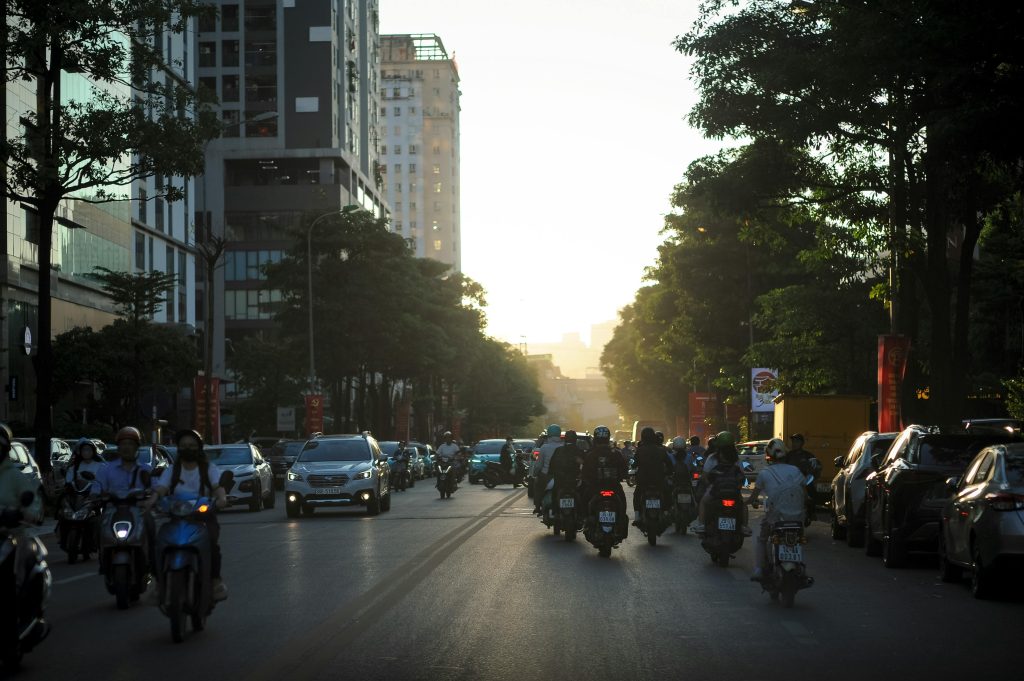
Busy streets, everyday life, and the kind of atmosphere that quietly makes many travelers feel safe.
Is Vietnam Safe for Travelers in 2026? (An Honest Local Perspective)
I’ve lived in Vietnam for more than a decade.
Not as a tourist passing through, but as someone who wakes up here every morning, takes local buses, drinks iced coffee on plastic stools, and watches travelers arrive with excitement… and a little fear in their eyes.
Almost every week, a guest asks me the same question—sometimes directly, sometimes indirectly
“Is Vietnam safe for travelers?”
And in 2026, with the world still feeling unpredictable in many places, the question feels even more valid.
So let me answer it honestly.
Not like a tourism brochure.
Not like a headline copied from Google.
But as someone who lives here, works with international travelers every day, and sees Vietnam from the inside.
⸻
So, is Vietnam safe in 2026?
Short answer: yes, Vietnam is generally very safe for travelers in 2026—especially when compared to many other popular destinations in Southeast Asia and beyond.
Long answer: it depends on what kind of safety you’re asking about.
Vietnam doesn’t feel safe in the same way Switzerland does.
But it also doesn’t carry the risks that many travelers quietly worry about—violent crime, random attacks, political unrest, or aggressive scams.
If you’ve traveled to Thailand, Indonesia, or the Philippines before, Vietnam will likely feel equal or calmer, especially when it comes to personal safety.
• Violent crime against tourists is extremely rare
• Gun violence is almost nonexistent
• Political demonstrations that affect tourists are uncommon
• Locals are generally protective, curious, and surprisingly helpful toward visitors
Most safety issues in Vietnam are low-level, predictable, and avoidable—once you know what to look out for.
⸻
How Vietnam compares to nearby countries
Travelers often ask me to compare Vietnam with places they already know.
Here’s a realistic comparison, not a ranking:
• Thailand: very tourist-friendly, but more polished—and sometimes more aggressive with scams in heavy tourist zones.
• Philippines: incredibly warm people, but certain areas require more caution, especially at night.
• Indonesia: safe overall, though petty theft and tourist-targeted scams are more common in hotspots.
Vietnam sits quietly in between.
Less chaotic than many expect.
Less dangerous than the internet often suggests.
What surprises many travelers is not danger—but how normal daily life feels here.
⸻
Is Vietnam safe for solo travelers?
Yes—Vietnam is one of the safest countries in Asia for solo travelers, including first-time visitors.
I regularly meet solo travelers who:
• Walk alone at night in Hanoi’s Old Quarter
• Take overnight buses between cities
• Rent scooters and explore rural areas
• Stay in homestays run by local families
What makes Vietnam feel safe for solo travelers isn’t perfect infrastructure—it’s the social environment.
People live outside here.
Streets are full until late.
There are always eyes around, even in small towns.
That creates a quiet layer of safety you don’t always notice at first.
That said, solo travelers should still:
• Be cautious with personal belongings in crowded areas
• Avoid overconfidence with alcohol
• Learn basic local cues (like when prices sound “off”)
Vietnam rewards awareness, not fear.
⸻
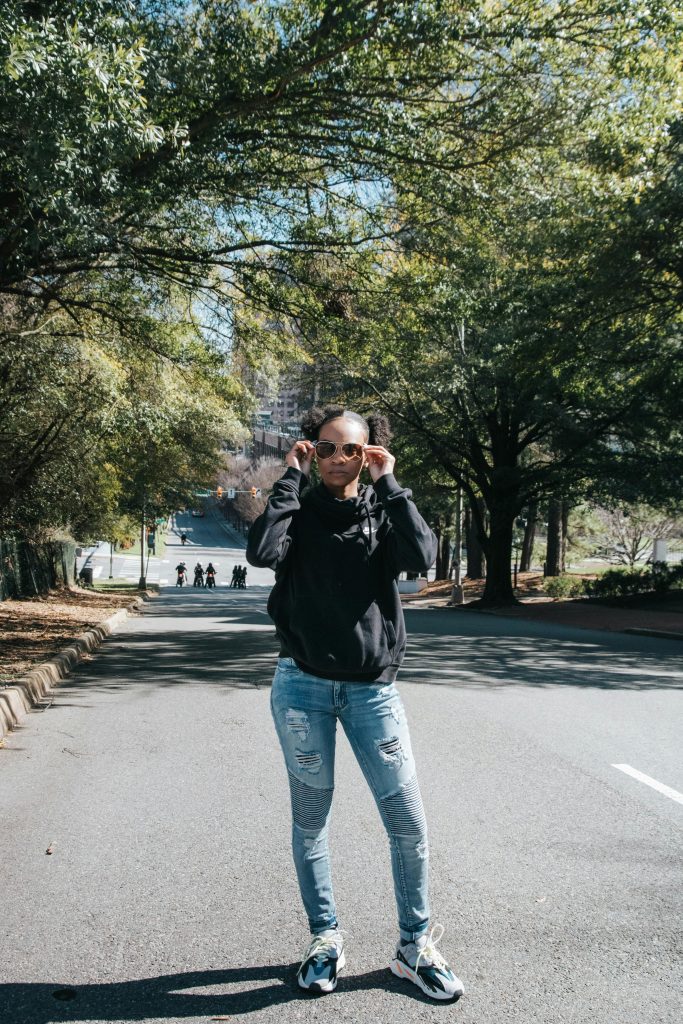
For many solo travelers, moments like this are when Vietnam starts to feel less intimidating and more familiar.
Is Vietnam safe for female travelers?
This is one of the most important questions—and it deserves a clear answer.
Vietnam is generally very safe for female travelers, including those traveling alone.
Harassment exists, but it’s usually:
• Staring
• Curious questions
• Occasional awkward comments
What it is not:
• Aggressive
• Physical
• Threatening
Many women tell me Vietnam feels safer than parts of Europe or the US, especially when walking at night in busy areas.
Local culture plays a role here.
Vietnamese society is conservative in public behavior. Crossing certain boundaries is socially unacceptable.
Still, practical awareness matters:
• Dress comfortably, not provocatively in rural areas
• Trust your instincts
• Use ride-hailing apps at night if unsure
Vietnam isn’t perfect—but fear shouldn’t be part of your daily travel experience here.
⸻
Is Vietnam safe for families with children?
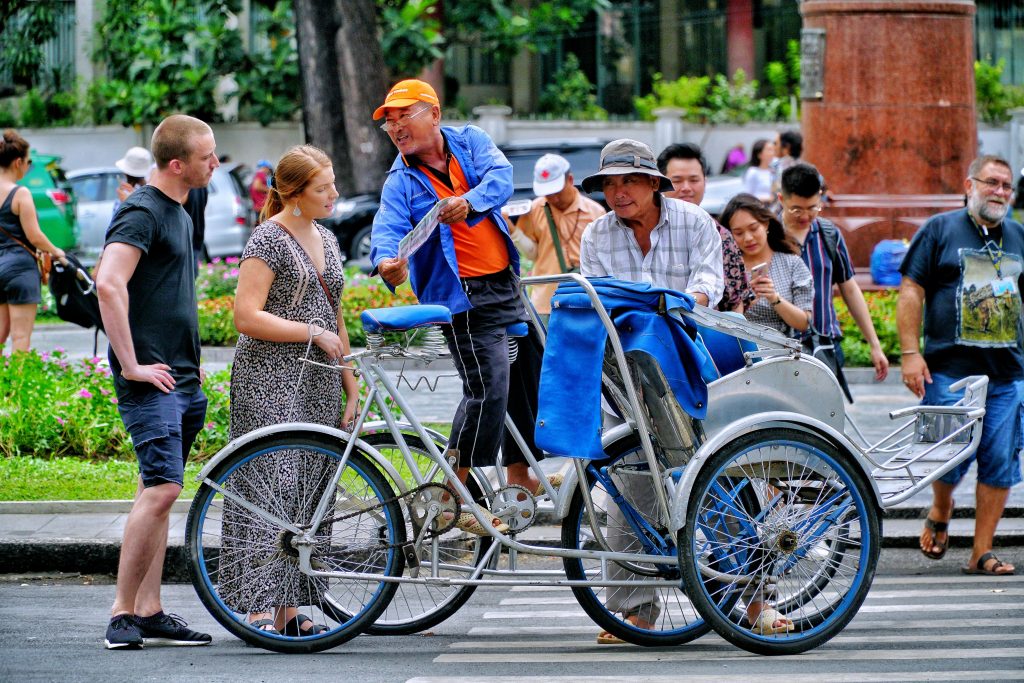
Moments like this often surprise travelers — not because they feel risky, but because they feel normal, social, and easy to blend into.
Absolutely.
Vietnamese people love children—sometimes a little too much.
Don’t be surprised if strangers:
• Smile at your kids
• Try to interact
• Offer small gifts or snacks
Families travel comfortably in Vietnam because:
• Violent crime is rare
• Medical services in major cities are solid
• Food is generally fresh and cooked thoroughly
• Domestic travel is affordable and flexible
The biggest concern for families isn’t crime—it’s traffic and sidewalks, especially with strollers.
Once you adapt your pace, Vietnam becomes a warm, welcoming place for kids.
⸻
Real risks travelers should know about (no sugarcoating)
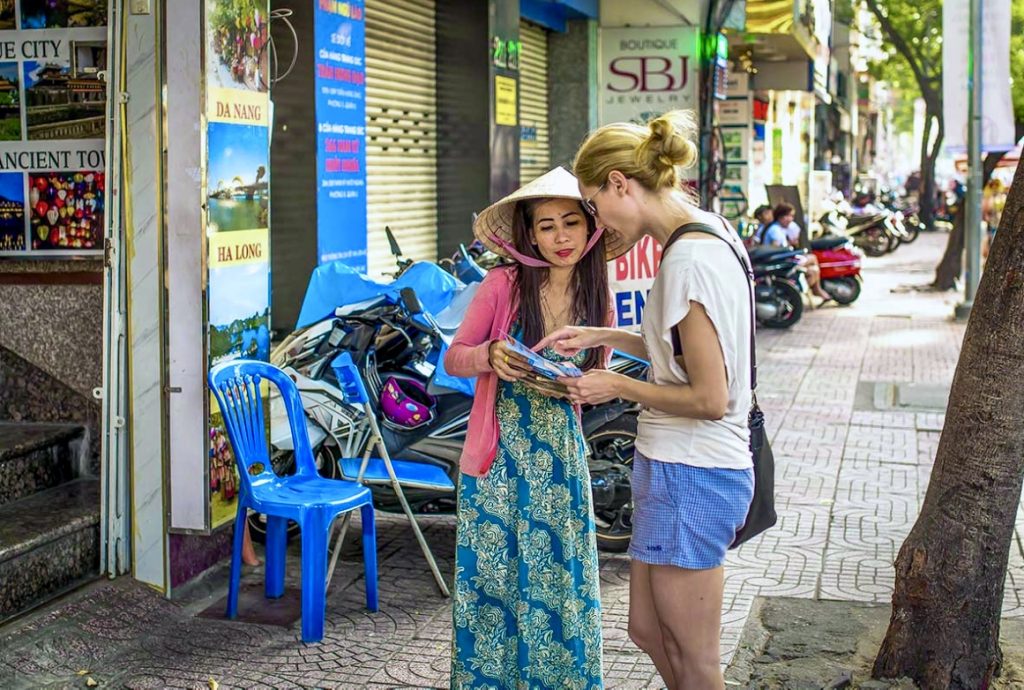
Scenes like this often reassure families and first-time visitors — everyday life feels open, social, and unhurried.
Vietnam is safe—but not careless-proof.
Let’s talk about the real issues.
Common scams targeting tourists
When people search “Vietnam scams tourists,” they usually imagine complex fraud.
In reality, most scams are simple and obvious:
• Taxi overcharging (less common now with Grab)
• Motorbike rental damage claims
• Currency confusion (especially with large notes)
• Fake tour offices in tourist-heavy areas
These scams rarely escalate.
They’re annoying, not dangerous.
If something feels off, walking away usually ends it.
⸻
Traffic: the biggest risk in Vietnam
Let’s be clear: traffic is the most dangerous thing in Vietnam, not crime.
Crossing the street can feel terrifying at first.
The rule here is not “wait for cars to stop,” but:
• Walk slowly
• Stay predictable
• Let traffic flow around you
Once you understand this rhythm, it becomes manageable—but it takes a day or two.
Accidents do happen, mostly involving motorbikes.
So:
• Avoid riding if inexperienced
• Always wear a helmet
• Don’t rush
Vietnam traffic looks chaotic—but it has its own logic.
⸻
Pickpocketing: how serious is it?
Pickpocketing exists, but it’s localized and opportunistic.
Common places:
• Crowded markets
• Night streets in big cities
• Tourist attractions during peak hours
It’s rarely violent.
Most cases involve:
• Unzipped backpacks
• Phones in open pockets
• Bags hanging loosely on chairs
Basic precautions reduce risk dramatically.
⸻
What surprises travelers positively about safety in Vietnam

For many travelers, moments like this quietly replace fear with familiarity after just a few days on the road.
Many guests tell me the same things after a few days:
• “I feel calmer than I expected.”
• “People actually look out for me.”
• “I don’t feel targeted.”
Vietnam doesn’t have a culture of confrontation.
Conflicts are usually avoided, not escalated.
If you’re lost, someone will help—even without speaking English.
If you drop something, someone will run after you.
That quiet kindness isn’t marketed—but it’s real.
⸻
Practical Vietnam safety tips from a local
Not generic advice—things that actually help.
Money & valuables
• Use cross-body bags, not backpacks in crowds
• Carry small bills
• Leave passport copies digitally and physically
Transport
• Use Grab or trusted drivers
• Avoid late-night motorbike taxis if tired
• Don’t rush street crossings
Social awareness
• Be friendly but firm
• Avoid arguments over small money
• Trust your instincts
Food & health
• Eat where locals eat
• Start slow with street food
• Stay hydrated
Safety in Vietnam isn’t about fear—it’s about rhythm.
⸻
FAQs about Vietnam travel safety (2026)
Is Vietnam safe for travelers in 2026?
Yes. Vietnam remains one of the safest countries in Southeast Asia for international travelers, with low violent crime and a welcoming culture.
Is Vietnam safe for solo travelers?
Yes, especially in major cities and popular travel routes. Solo travelers should still practice basic awareness.
Is Vietnam safe for female travelers?
Yes. Harassment exists but is usually mild and non-aggressive. Many women feel comfortable traveling alone in Vietnam.
What are the biggest safety concerns in Vietnam?
Traffic accidents, petty scams, and occasional pickpocketing—mostly avoidable with common sense.
Is Vietnam safer than Thailand or Indonesia?
Safety levels are comparable. Many travelers feel Vietnam is calmer and less aggressive in tourist zones.
⸻
A final, honest thought
Vietnam isn’t a postcard-perfect fantasy.
It’s real, lived-in, sometimes messy—but deeply human.
If you come expecting perfection, you’ll be frustrated.
If you come open, aware, and curious, you’ll likely feel something rare:
A sense of being welcomed, not just served.
And in 2026, that kind of safety—the feeling that you belong, even briefly—matters more than ever.
If Vietnam is calling you, trust that feeling. Just travel smart, not scared.